
Food
From a chemical point of view, foods are mixtures of organic compounds (carbohydrates, lipids, proteins and vitamins) together with water and mineral salts. Their structures explain their nutritional value, their flavour and the changes they undergo when they are cooked or preserved.
The major nutrients
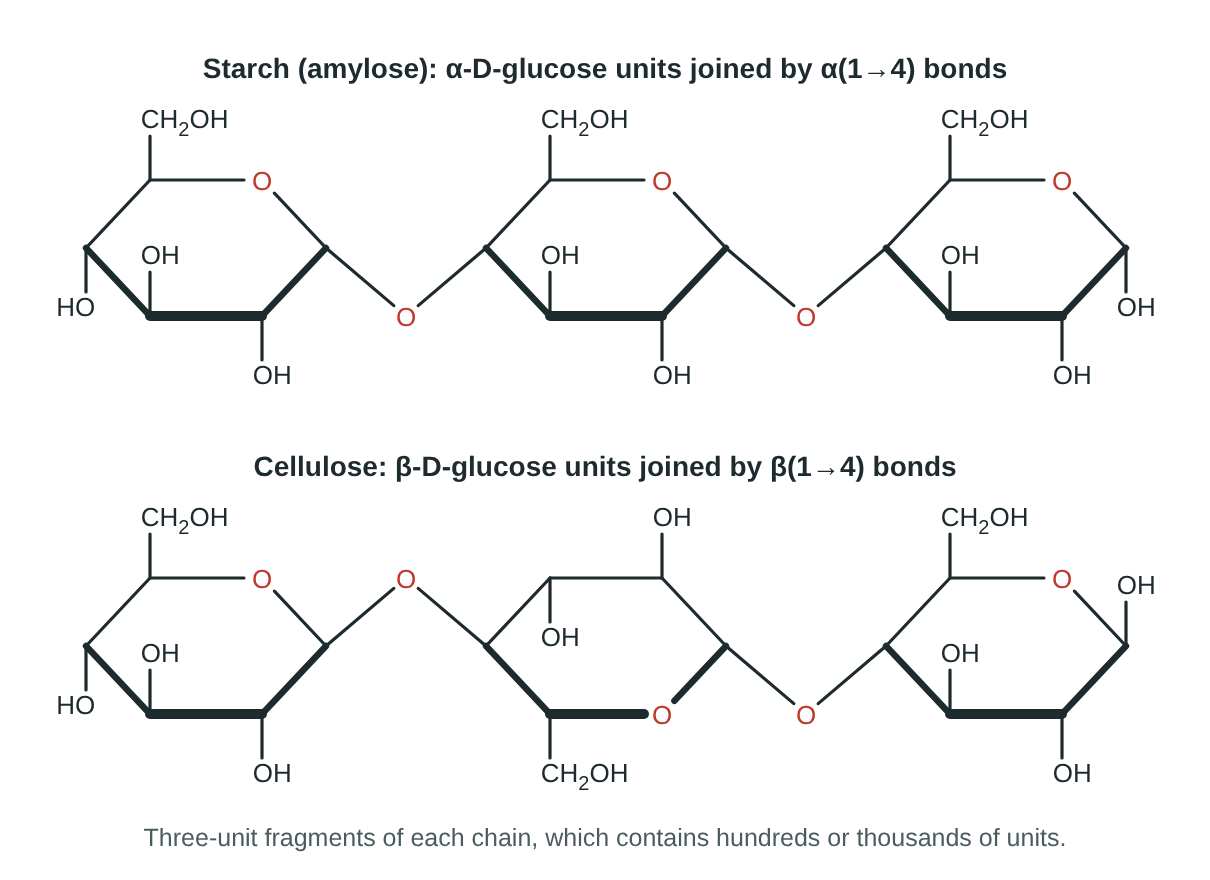
- Carbohydrates: simple sugars such as glucose and fructose (which form cyclic hemiacetals in solution), disaccharides such as sucrose (table sugar) and polysaccharides made of thousands of glucose units. Starch and cellulose are both glucose polymers, but they differ in the geometry of the glycosidic bond (an acetal; α in starch, β in cellulose): that is why we can digest bread and potatoes but not wood or paper.
- Lipids: fats and oils are triglycerides, esters of glycerol with three fatty acids. Saturated fats (with no double bonds) are solid at room temperature; oils have cis double bonds that bend the chains, prevent them from packing well and keep them liquid.
- Proteins: polymers of amino acids joined by peptide bonds, which are amides. Their sequence determines their shape and function: enzymes, muscle, collagen…
Vitamins
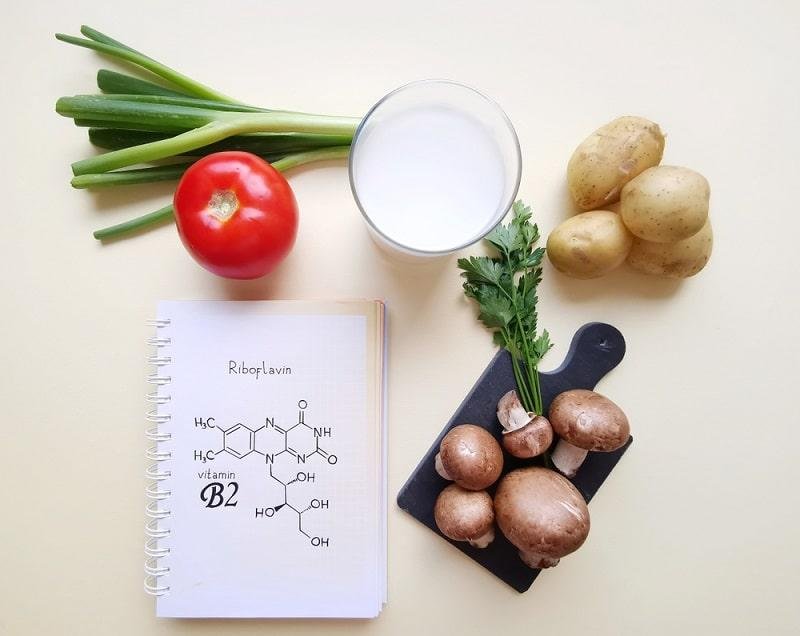
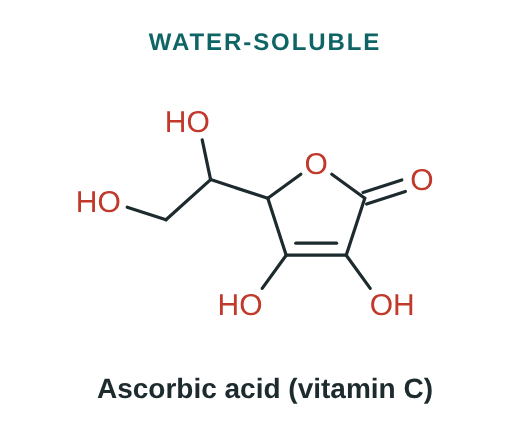
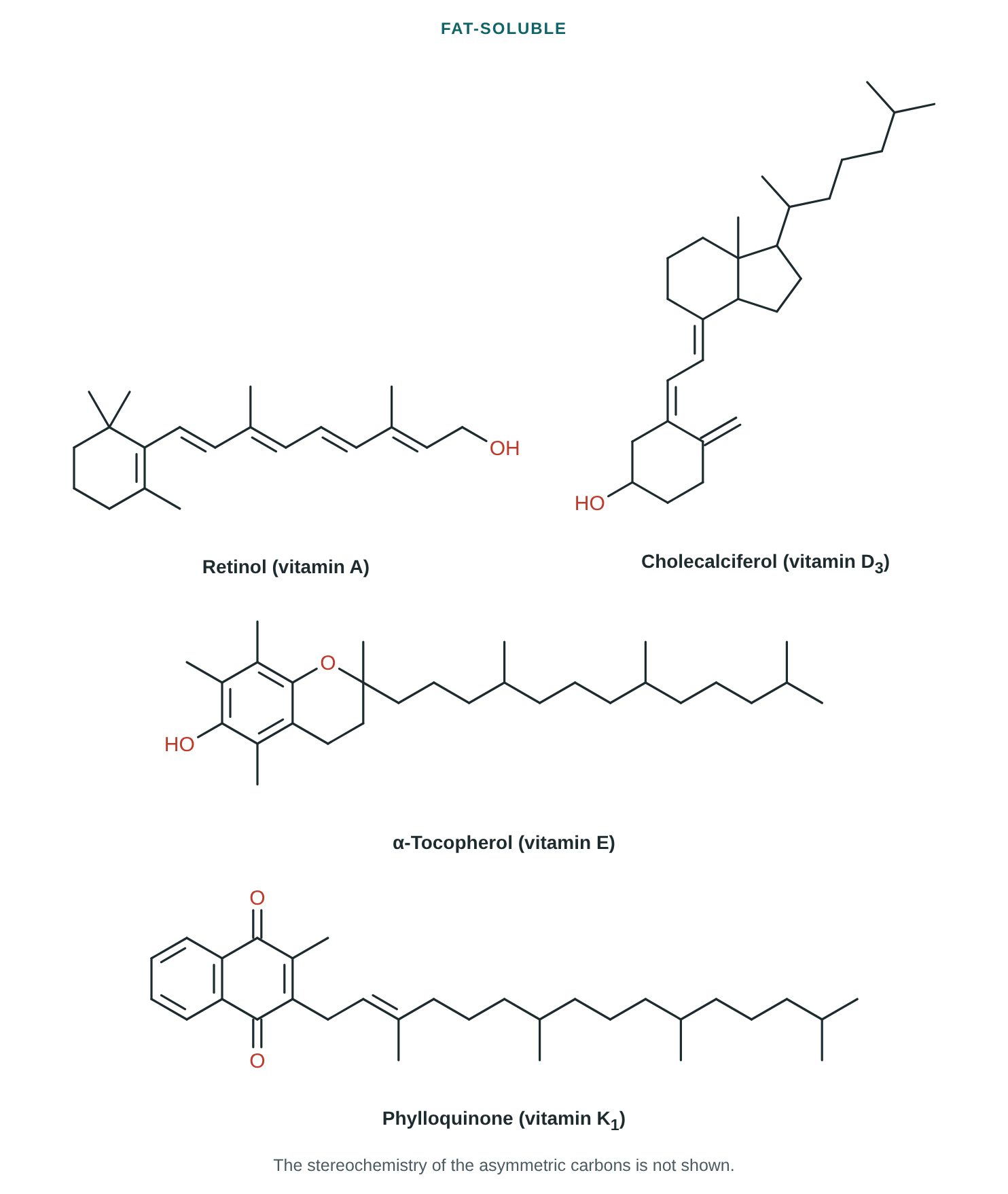
They are organic compounds that the body needs in very small amounts and cannot make by itself. Some are water-soluble, such as vitamin C (ascorbic acid) or the B vitamins (for example riboflavin, vitamin B2, shown in the photograph and abundant in milk and mushrooms); others are fat-soluble, such as vitamins A, D, E and K, which accumulate in fats.
Chemistry in the kitchen
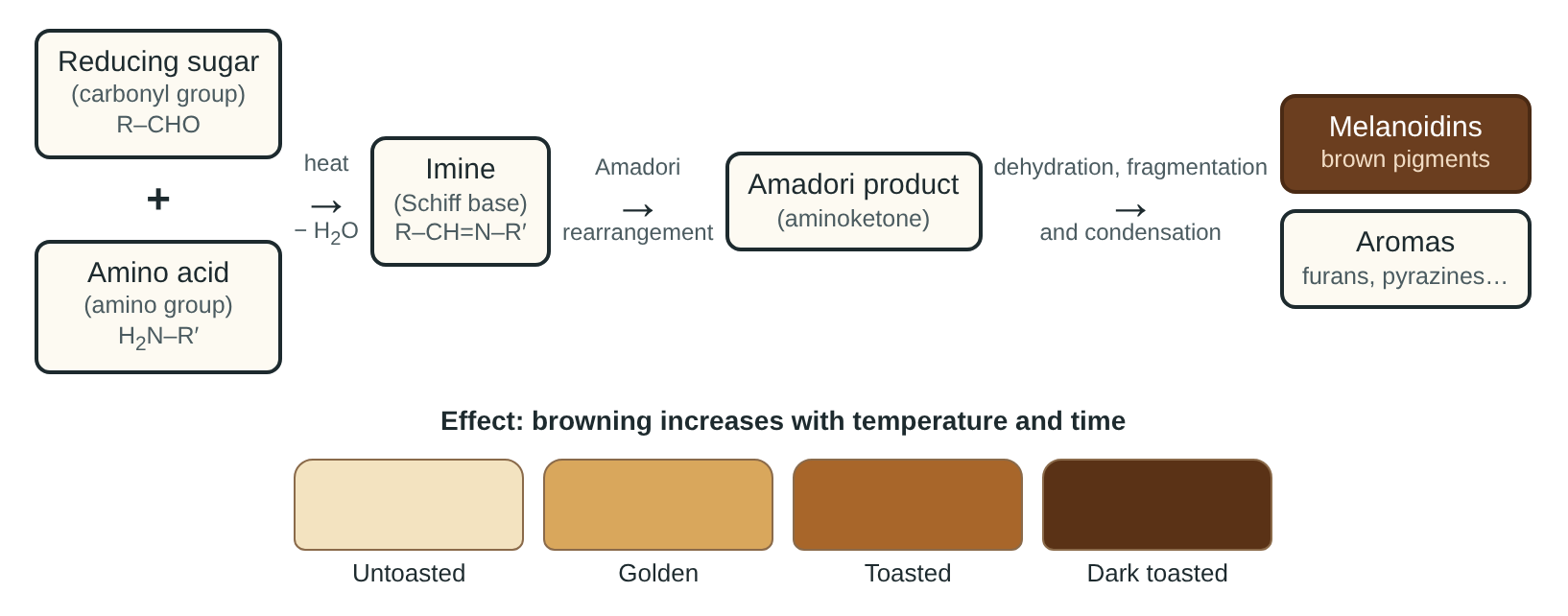
- Maillard reaction: when bread is toasted, meat is roasted or coffee is roasted, sugars react with the amino groups of amino acids (the addition of an amine to the carbonyl group is the first step), forming hundreds of compounds responsible for the golden colour and the aroma.
- Caramelization: sugars heated above about 160 °C dehydrate and break down into brown molecules with a characteristic flavour.
- Hydrogenation: the catalytic hydrogenation of the double bonds of vegetable oils turns them into solid fats (margarines). If it is partial, some double bonds isomerize to trans, and the resulting trans fats are harmful to cardiovascular health.
- Rancidity: oxygen from the air oxidizes the double bonds of fats through radical reactions, giving bad-smelling products. Antioxidants such as vitamin E (tocopherol) slow it down.
Food additives
Many additives (the E numbers on labels) are organic molecules: preservatives such as sorbic acid (E200) or sodium benzoate (E211); sweeteners such as aspartame (E951), the methyl ester of a dipeptide; and flavourings such as vanillin or certain fruity-smelling esters (isoamyl acetate smells of banana and ethyl butanoate of pineapple).
These are some of the most common additives:
| Code | Additive | Function | Structure |
|---|---|---|---|
| E100 | Curcumin | Colour (yellow) | 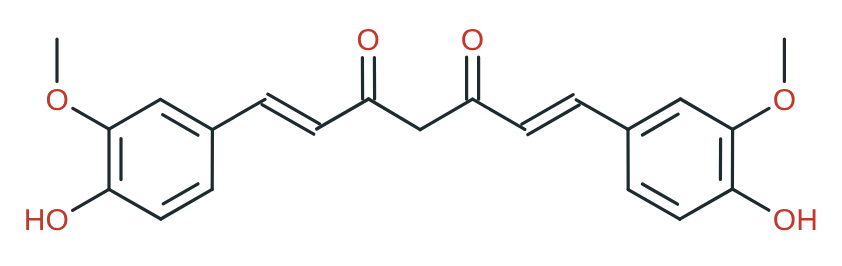 |
| E200 | Sorbic acid | Preservative (against moulds and yeasts) | 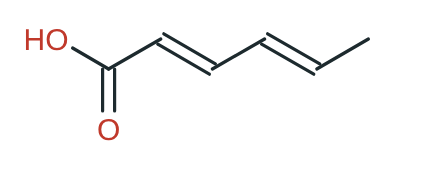 |
| E211 | Sodium benzoate | Preservative | 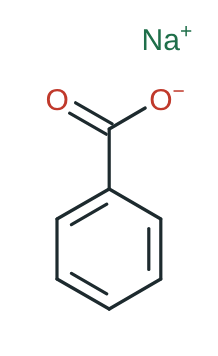 |
| E260 | Acetic acid | Acidity regulator and preservative | 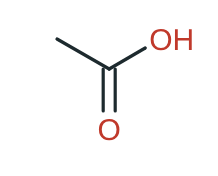 |
| E270 | Lactic acid | Acidity regulator | 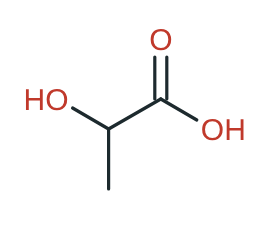 |
| E282 | Calcium propionate | Preservative (bread) | 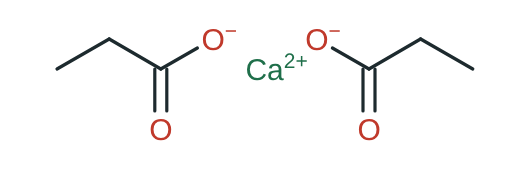 |
| E300 | Ascorbic acid | Antioxidant | 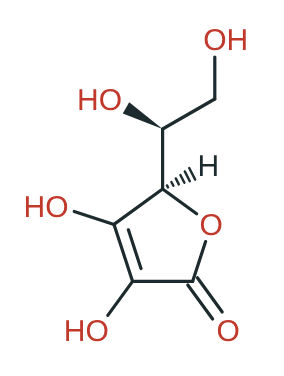 |
| E321 | Butylated hydroxytoluene (BHT) | Antioxidant (fats) | 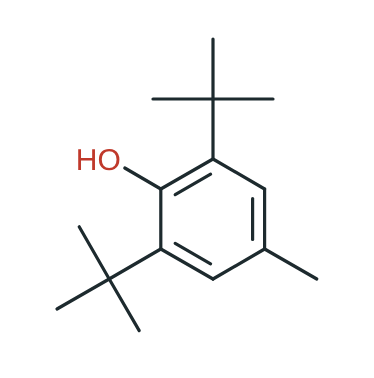 |
| E330 | Citric acid | Acidity regulator and antioxidant | 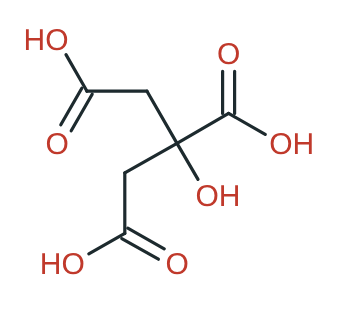 |
| E621 | Monosodium glutamate | Flavour enhancer | 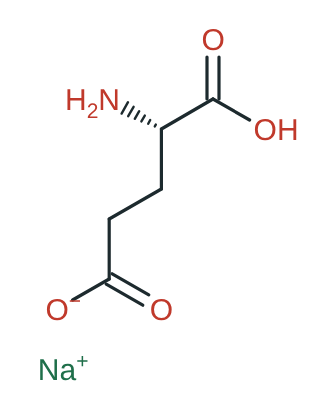 |
| E951 | Aspartame | Sweetener | 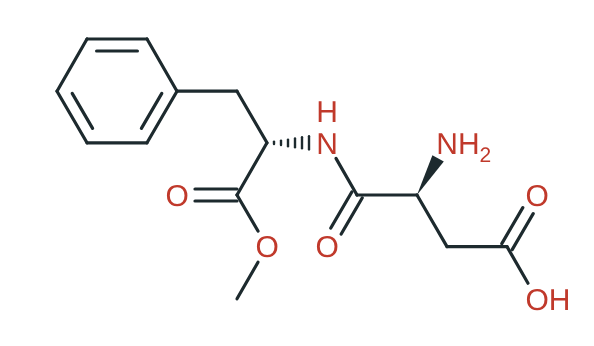 |
| E954 | Saccharin | Sweetener | 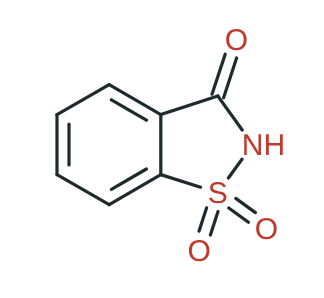 |