
Fuels and Energy
Most of the energy our society consumes comes from the combustion of organic compounds: the hydrocarbons of petroleum and natural gas, coal and, increasingly, biofuels.
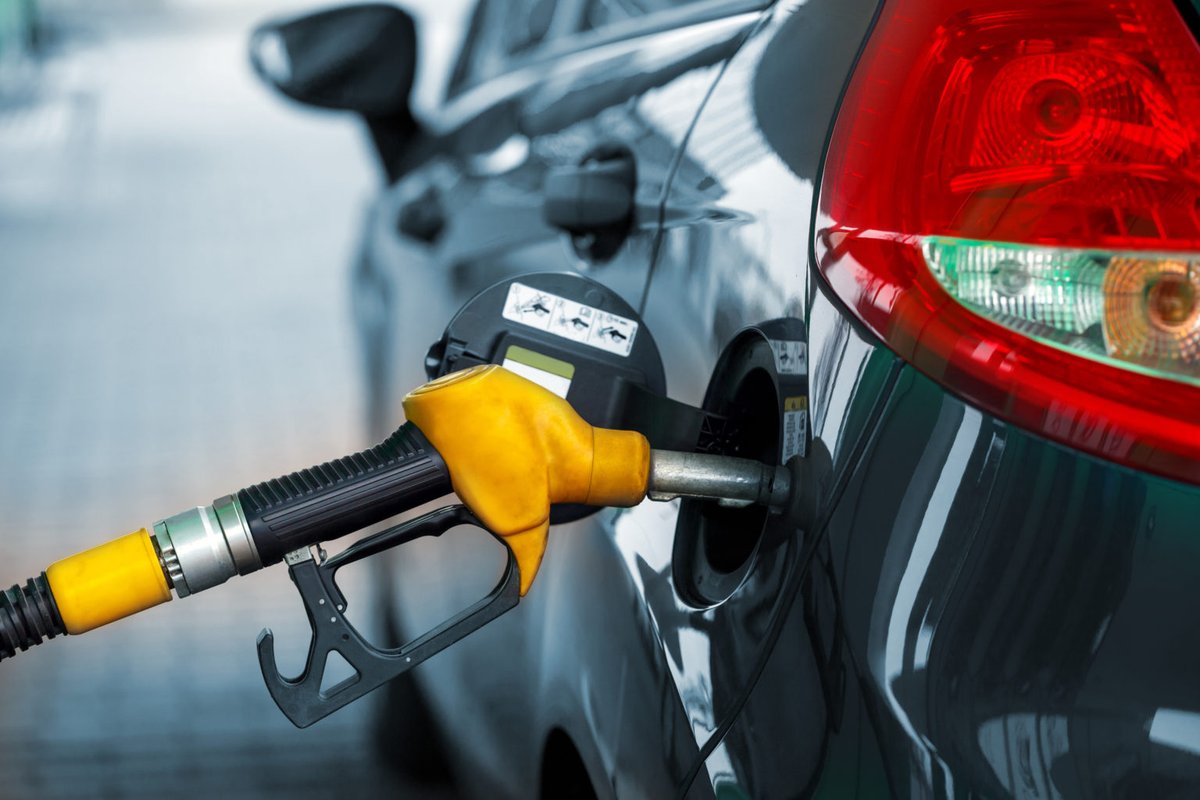
Combustion
In combustion a hydrocarbon reacts with the oxygen of the air and is turned into carbon dioxide and water, releasing a great deal of energy. For example, one mole of methane gives off about 890 kJ:
CH4 + 2 O2 → CO2 + 2 H2O
If there is not enough oxygen, combustion is incomplete and carbon monoxide, which is very toxic, and soot are formed.
From petroleum to petrol
Petroleum is a mixture of thousands of hydrocarbons that is separated in refineries by fractional distillation:
- Gases (1 to 4 carbons): methane, ethane, propane and butane (the last two make up liquefied petroleum gas, LPG).
- Petrol (gasoline) (5 to 12 carbons).
- Kerosene (10 to 16 carbons), the fuel of aircraft.
- Diesel oil (14 to 20 carbons), for diesel engines and heating.
- Heavy residues: fuel oils, lubricating oils, paraffin waxes and asphalt.
Since more petrol is needed than petroleum contains, the heavy fractions are broken into smaller molecules (cracking) and straight chains are branched (isomerization and reforming). Branched alkanes burn more smoothly in the engine: the octane number takes as references isooctane (2,2,4-trimethylpentane), with a value of 100, and heptane, with a value of 0. You can read more about petroleum refining in the preparation of alkanes.
Biofuels
- Bioethanol: obtained by fermentation of the sugars of sugar cane, maize or beet, and blended with petrol.
- Biodiesel: the methyl esters of fatty acids, made by transesterification of vegetable oils with methanol (a reaction of esters).
Burning them also releases CO2, but it is the CO2 that the plants took from the atmosphere as they grew. Burning fossil fuels, by contrast, releases carbon stored for millions of years and is the main cause of the rise in atmospheric CO2.
The organic chemistry of new energy
Lithium-ion batteries use organic solvents (carbonates) in their electrolyte; OLED screens and some flexible solar cells use conjugated organic molecules and polymers that can emit or capture light.