Clothing and Textiles
The fibres from which fabrics are made are polymers: extremely long molecules formed by the repetition of the same unit. They can be natural, such as cotton, wool or silk, or synthetic, such as polyester, nylon or elastane.
Natural fibres
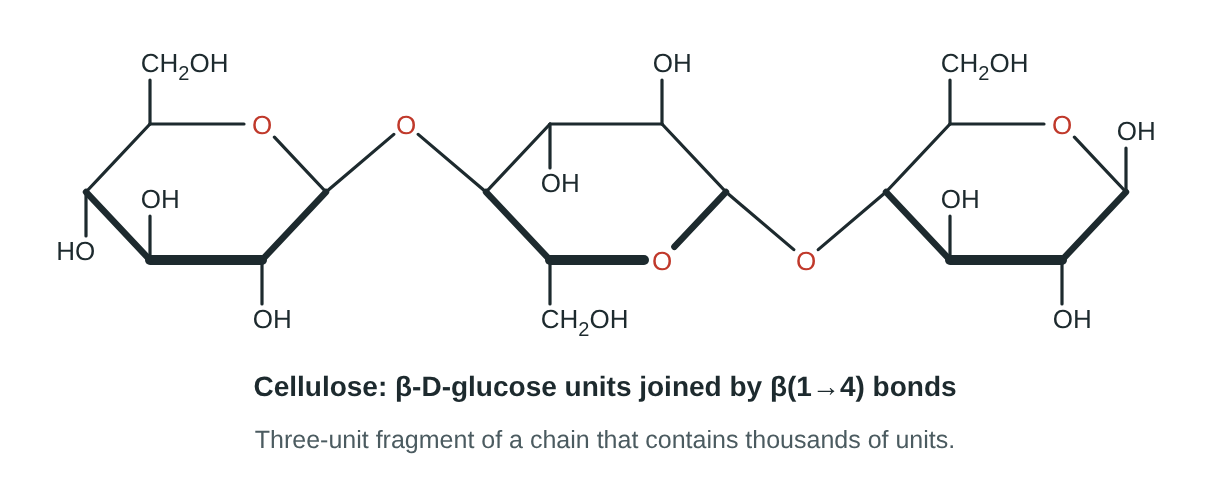
- Cotton and linen: almost pure cellulose, a polymer of glucose. Their many OH groups form hydrogen bonds with water, which is why they absorb sweat and feel cool.
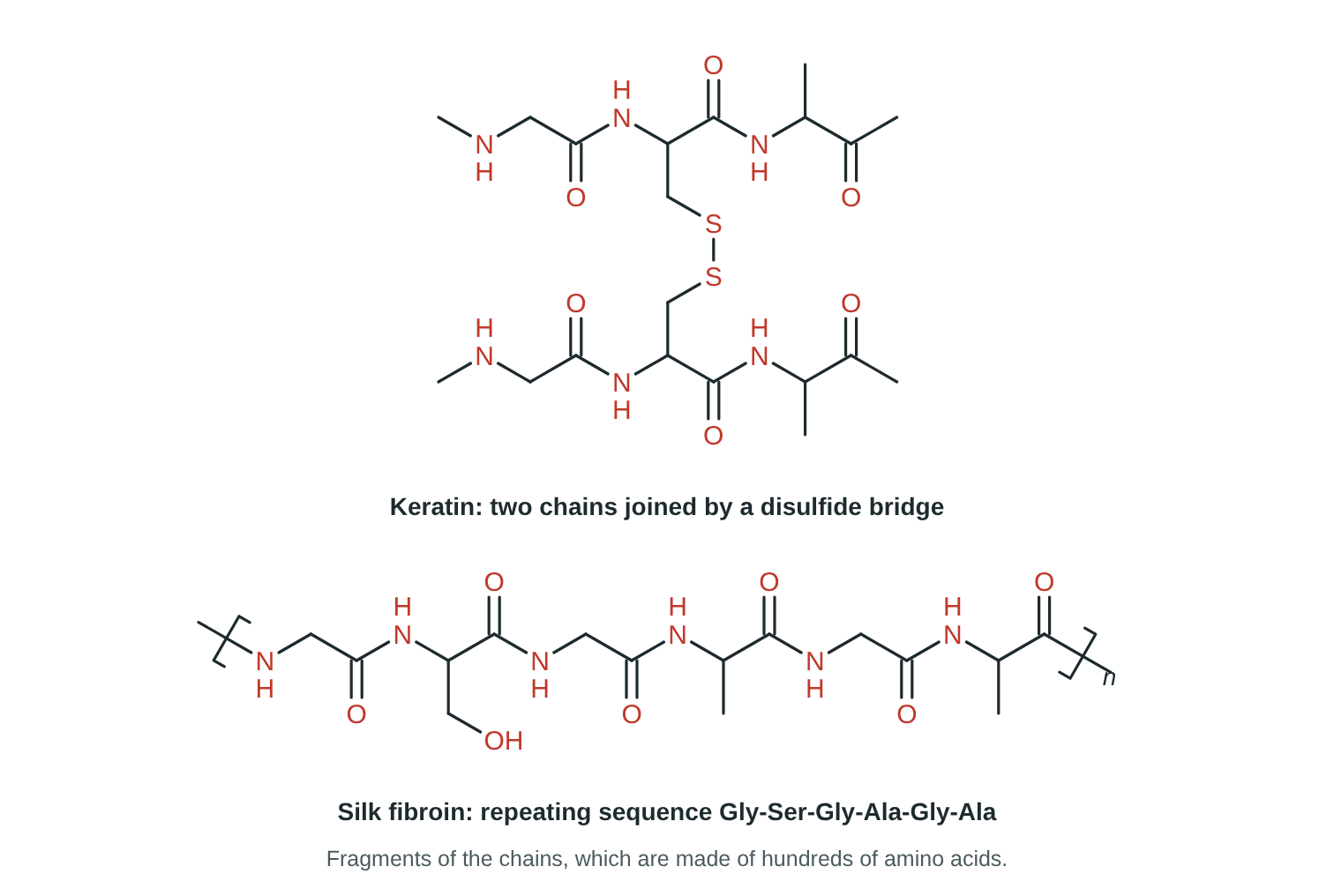
- Wool and silk: proteins (keratin and fibroin), chains of amino acids joined by amide bonds. In wool, disulfide bridges between chains give it elasticity and strength.
Synthetic fibres
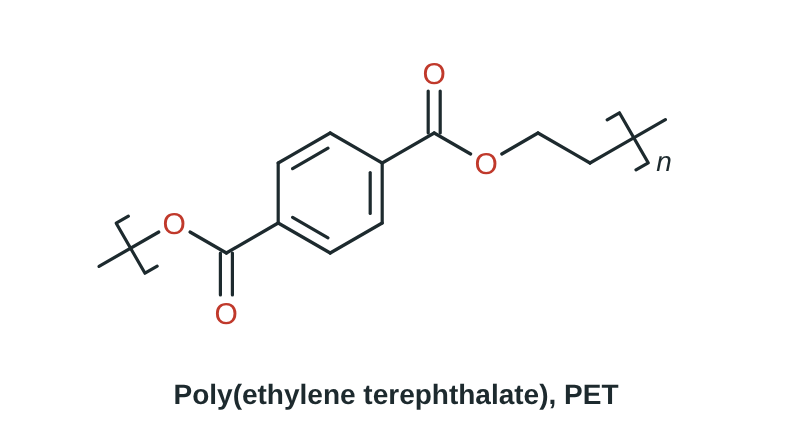
- Polyester (PET): poly(ethylene terephthalate) is obtained by condensation of terephthalic acid with ethylene glycol; each unit is joined to the next by an ester. It is the most produced fibre in the world and the same plastic as drinks bottles.
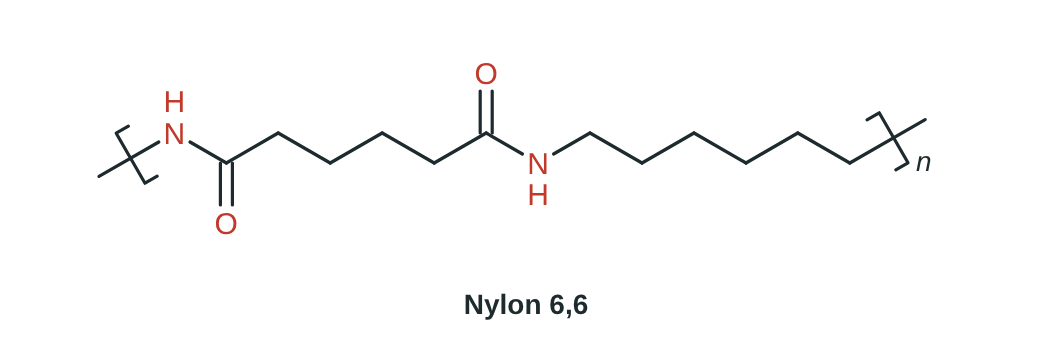
- Nylon: Wallace Carothers made it at DuPont in 1935 from adipic acid and hexamethylenediamine. It is a polyamide, like silk, but synthetic.
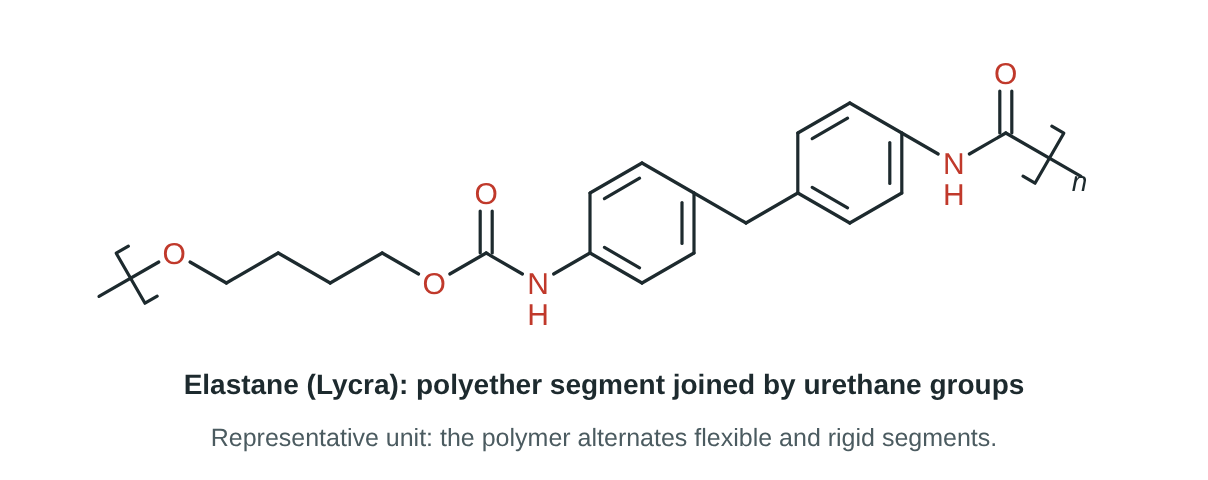
- Acrylics and elastane: acrylic fibres are polyacrylonitrile, from the polymerization of an alkene; elastane (Lycra, spandex) is a polyurethane, made from isocyanates, that can stretch to several times its length.
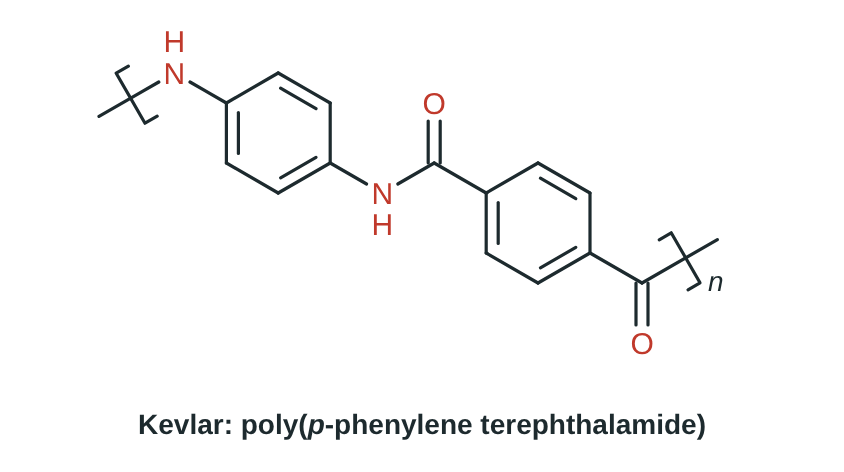
- Aramids: aromatic polyamides, such as Kevlar, so strong that they are used in bulletproof vests and protective equipment.
Dyes
Dyes are organic molecules with conjugated double-bond systems and aromatic rings that absorb part of the visible light: we see the complementary colour. The indigo of jeans used to be extracted from plants and is now synthesized; most industrial dyes are azo compounds, made from the diazonium salts of anilines.
Technical fabrics
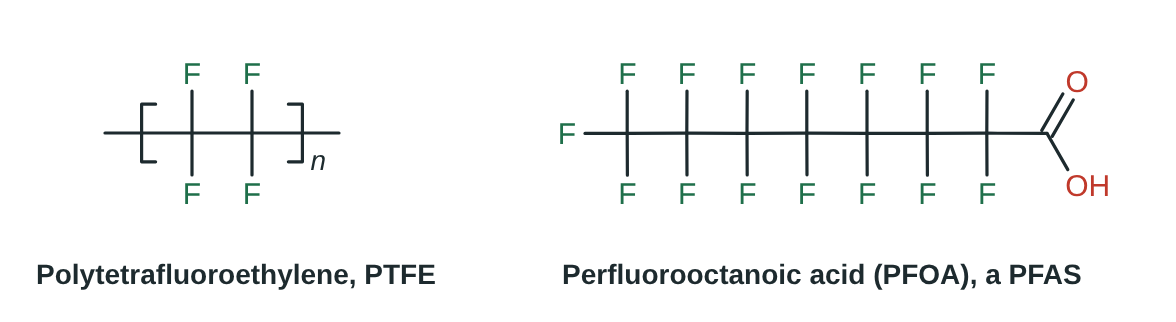
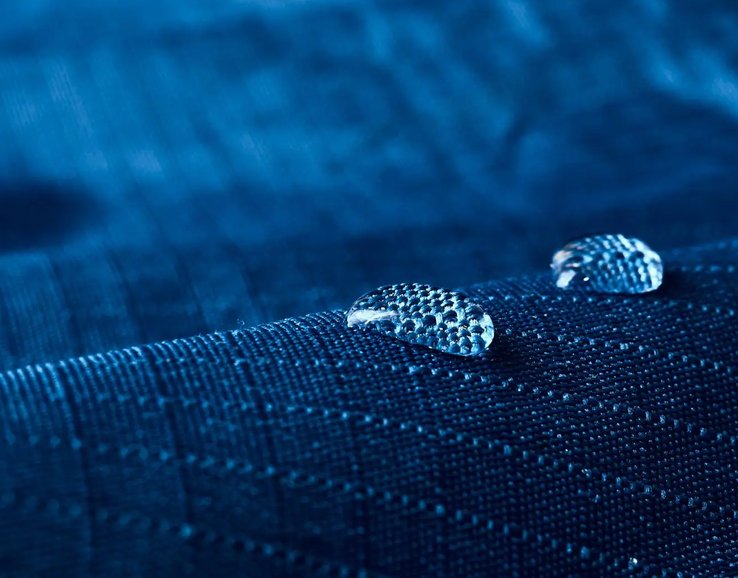
In waterproof breathable fabrics, like the one in the photograph, an expanded polytetrafluoroethylene (PTFE) membrane or a fluorinated coating repels liquid water: the surface is so non-polar that drops do not wet it and roll off. The pores, however, let the water vapour from sweat escape. Some of these fluorinated compounds (PFAS) persist for decades in the environment and their use is being restricted.