Asymmetric synthesis and organocatalysis
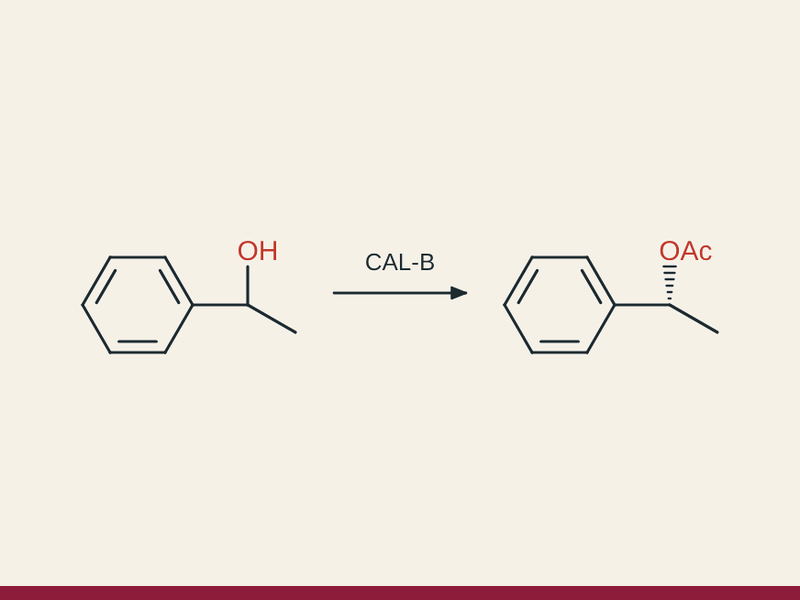
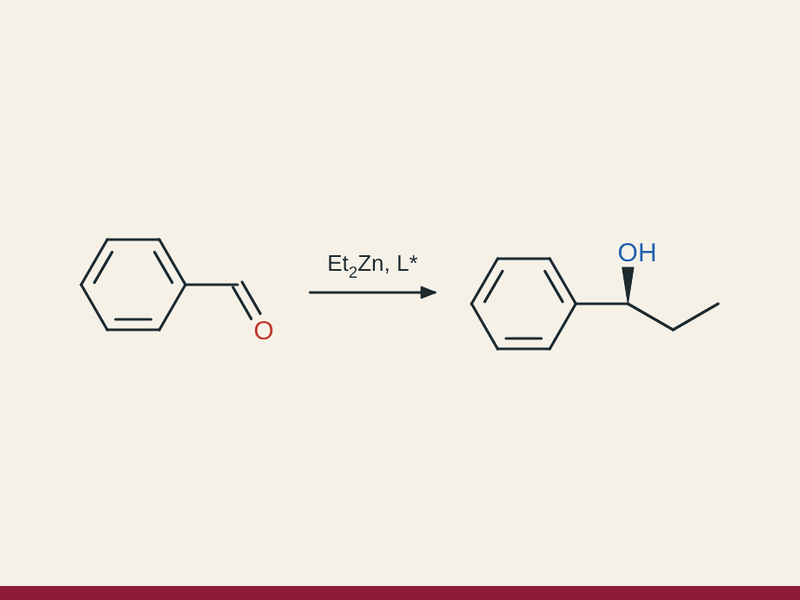
Almost all the molecules of life are chiral, and the two enantiomers of a drug or an aroma can have very different effects. Asymmetric synthesis seeks to obtain only one of them, and the most efficient way of doing so is asymmetric catalysis, in which a small amount of a chiral catalyst produces large amounts of enantiopure product.
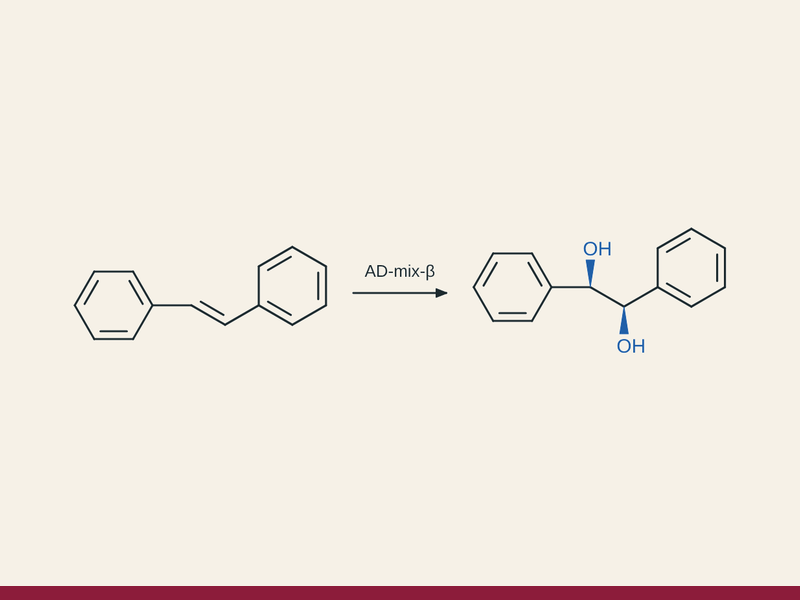
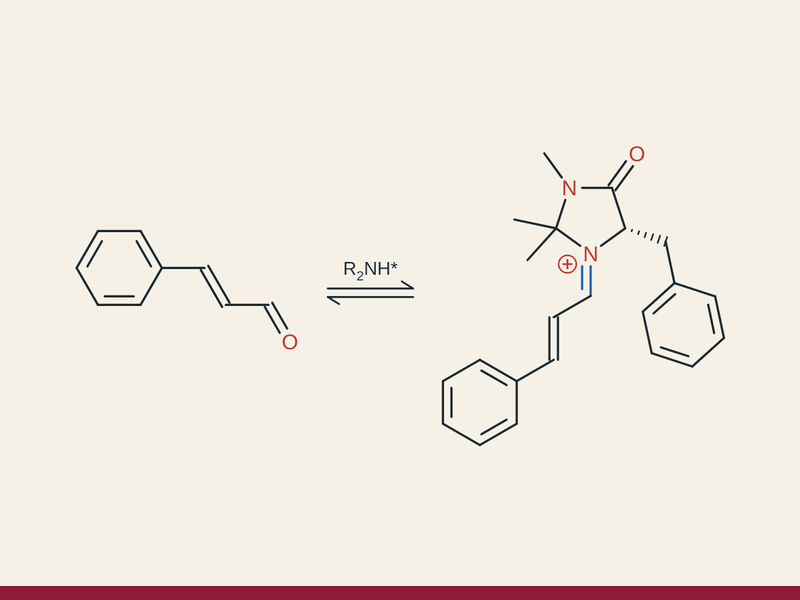
This topic covers the strategies for obtaining a single enantiomer, the metal catalysis of Knowles, Noyori and Sharpless (2001 Nobel Prize), the organocatalysis of List and MacMillan (2021 Nobel Prize) and the asymmetric autocatalysis of Soai and the nonlinear effects of Kagan (2026 Nobel Prize).