Retrosynthesis
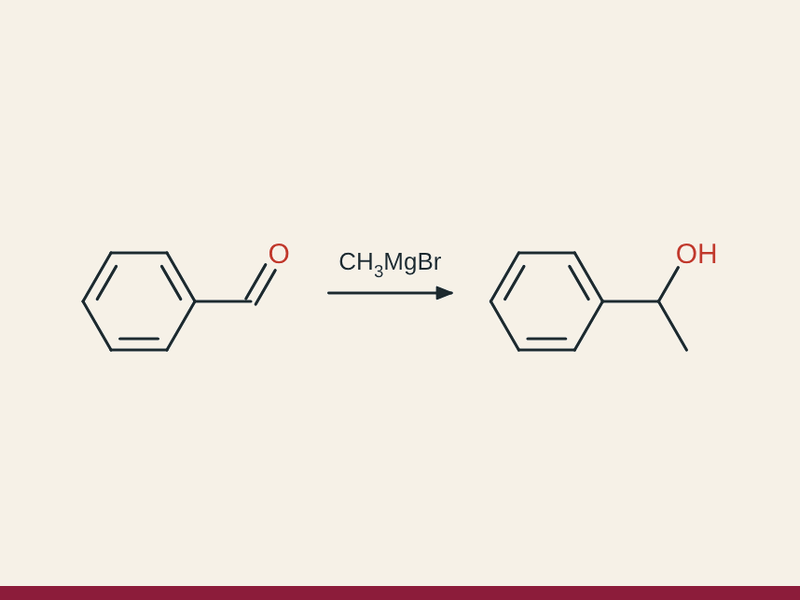
Retrosynthetic analysis mentally transforms the molecule to be prepared, the target molecule, into ever simpler precursors, until commercially available compounds are reached. Each backward step is indicated with a double arrow (⇒) and must correspond to a real reaction that, in the laboratory, runs in the opposite direction.
Organic synthesis is one of the most exciting tasks of the organic chemist, and it is not easy: it requires a thorough knowledge of a great many reactions and the imagination to combine them, but also attention to cost, safety and logistics. Like any complex problem, it is best broken down into smaller pieces that can then be joined by known reactions. That is the idea of retrosynthetic analysis, formalized by Elias James Corey in the 1960s and set out in his book The Logic of Chemical Synthesis (1989).
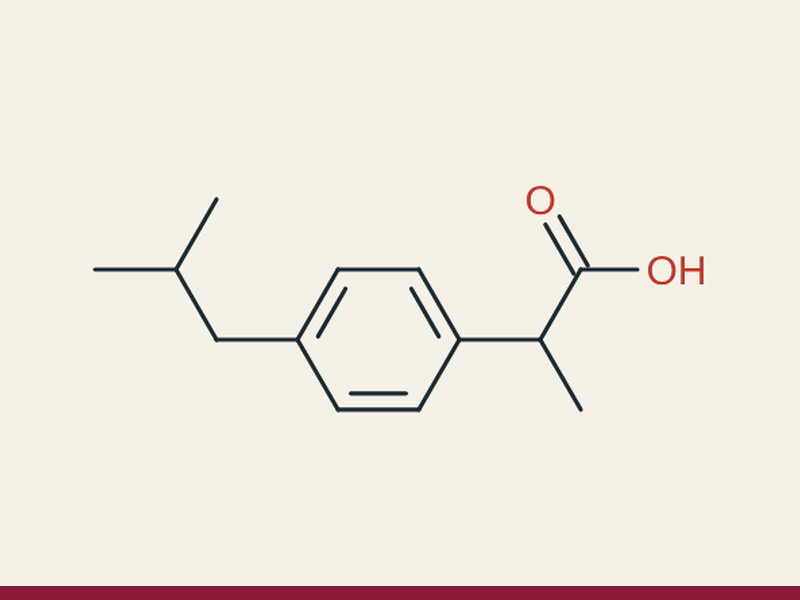
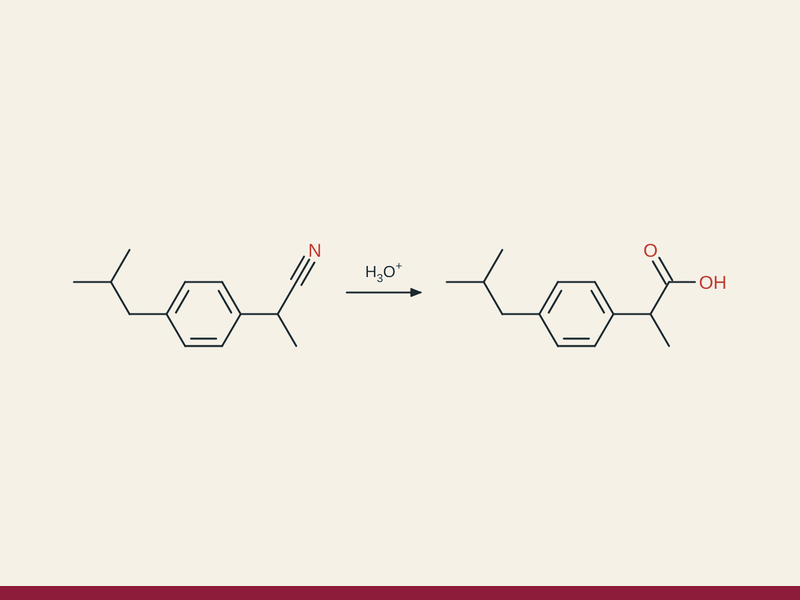
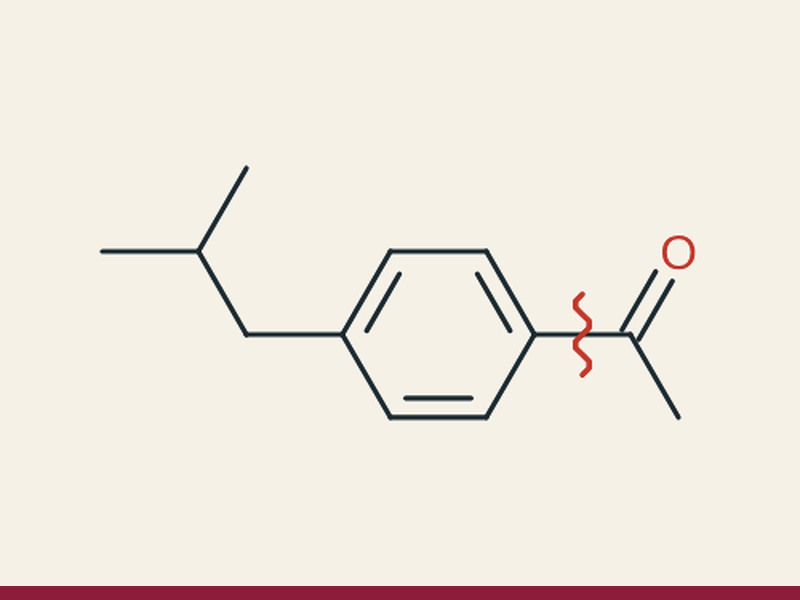
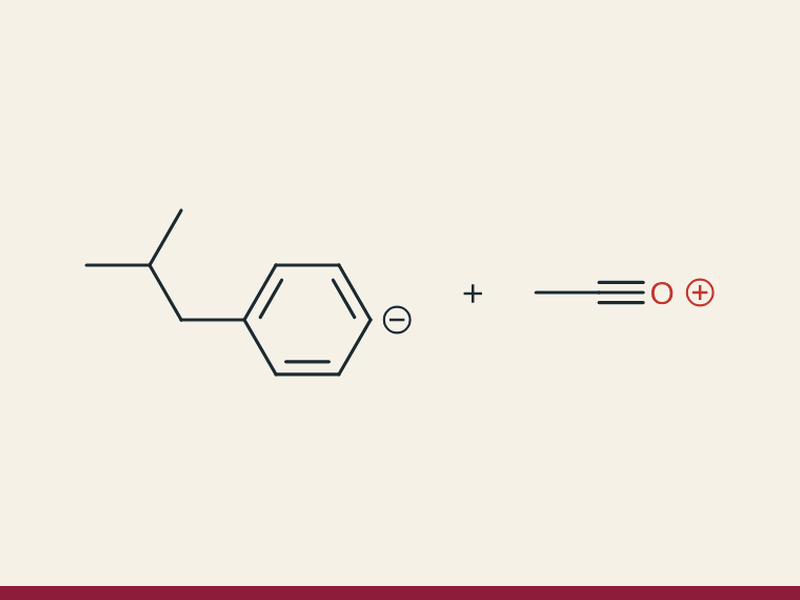
An example is best. To prepare ibuprofen, the most reasonable precursor seems to be benzene: two chains with the right branching and functional group will have to be attached to it, para to each other. To decide how, the route is followed “backwards”, from ibuprofen to benzene, with two kinds of operation: functional group interconversions (FGI), which change one group into another, and disconnections, which break a bond and give fragments called synthons.
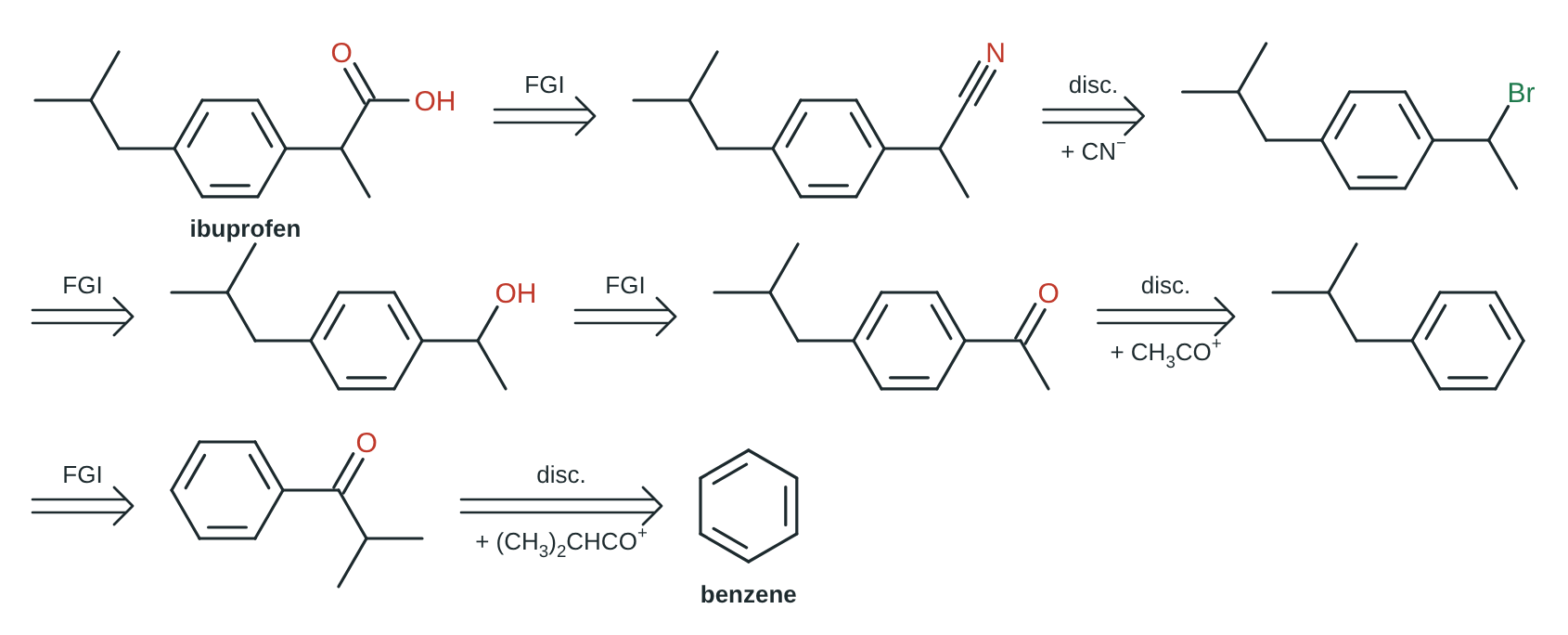
A disconnection or transformation is logical if it meets three conditions: there is a viable reconnection mechanism (a known reaction that runs the reverse way), it leads to reasonably stable fragments and it brings about the greatest possible simplification. But the analysis is a conceptual process, and nothing prevents trying apparently less logical steps if they help solve the problem. There are almost always several routes, and retrosynthesis serves precisely to discover and compare them.
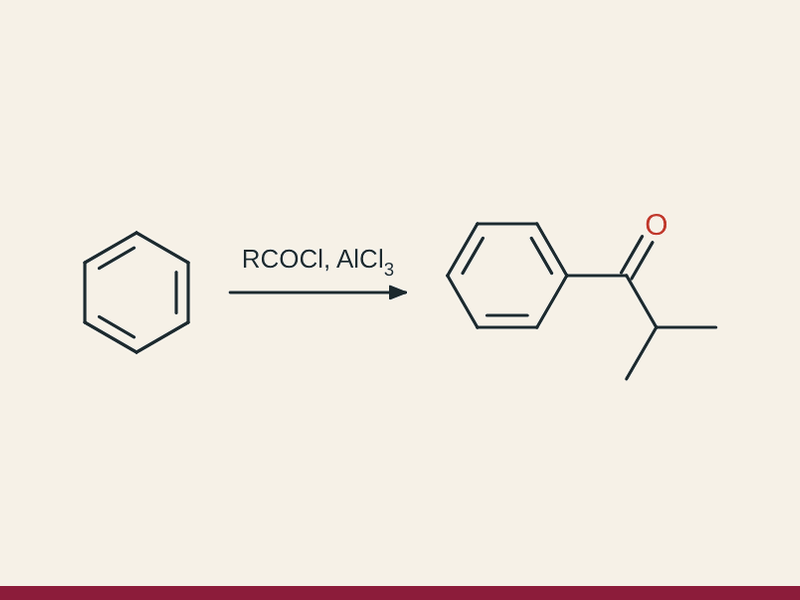
The retrosynthesis of ibuprofen contains an instructive decision: isobutylbenzene is not disconnected directly into benzene and an isobutyl halide, because Friedel–Crafts alkylation with primary halides rearranges the carbocation and gives tert-butylbenzene. So the ketone is reached first (FGI), which is formed by a Friedel–Crafts acylation without rearrangement. The concepts are developed in the subpages below.
 ▶ Watch the video on YouTube
The term and the method were also popularized by Stuart Warren's Organic Synthesis: The Disconnection Approach (1982), the source of much of the vocabulary used in the classroom.